
Health Equity North response to Alan Milburn review on NEETs


Last year, in analysis,’ Estimating the savings and financial benefits to the UK government of return-to-work for people in receipt of Universal Credit’, Health Equity North argued that effective return-to-work programmes should combine employment support with action on the underlying health challenges that prevent people from entering and remaining in work, particularly in areas experiencing high levels of deprivation and ill health.
Following the publication of the Department for Work and Pensions’ ‘From a Welfare State to a Working State: a new settlement for the next generation’, Health Equity North has issued the following statement:
David Taylor-Robinson, Academic Director of Health Equity North said: “Milburn’s review makes clear how much we have underinvested in young people. It is right to put poor health at the centre of the problem, and I welcome its proposals to invest in health and education and give young people more ways into work, including apprenticeships, work placements and subsidised jobs. We need to prevent ill health where we can and support children as soon as difficulties emerge.
“Our Child of the North research shows that children who grow up in poverty are much more likely to experience poor mental and physical health. They are also more likely to spend time out of education, employment or training as young adults. Poverty and cuts to the services families rely on make it harder for children to thrive at school and for young people to find and stay in work. Today’s review looks to Denmark and the Netherlands for lessons on youth employment, but it is also worth looking at child poverty in these countries. Before housing costs, around one in ten children in Denmark and the Netherlands live in relative poverty – about half the rate in the UK.
“Reducing child poverty further has to be part of any serious plan to bring down the number of young people out of education, employment or training. The government estimates that removing the two-child limit has already lifted around 300,000 children out of poverty. That is a welcome start – but we need sustained investment from the early years, through school and into adulthood. That means helping families afford the essentials, getting children support when difficulties first emerge, and making sure that support continues as young people move into training or work.
“The review counts on future welfare savings to offset part of the cost of investing in young people. The gamble is that some young people could lose income before that investment improves their lives. Young people whose health and education have already been affected by years of hardship need both better services and enough income to live on. Cutting their benefits risks deepening the hardship that contributed to their poor health and making it harder for them to take up the very opportunities the review proposes.”
Related News Stories
Last year, in analysis,’ Estimating the savings and financial benefits…

“We welcome measures in today’s Budget that will help ease…
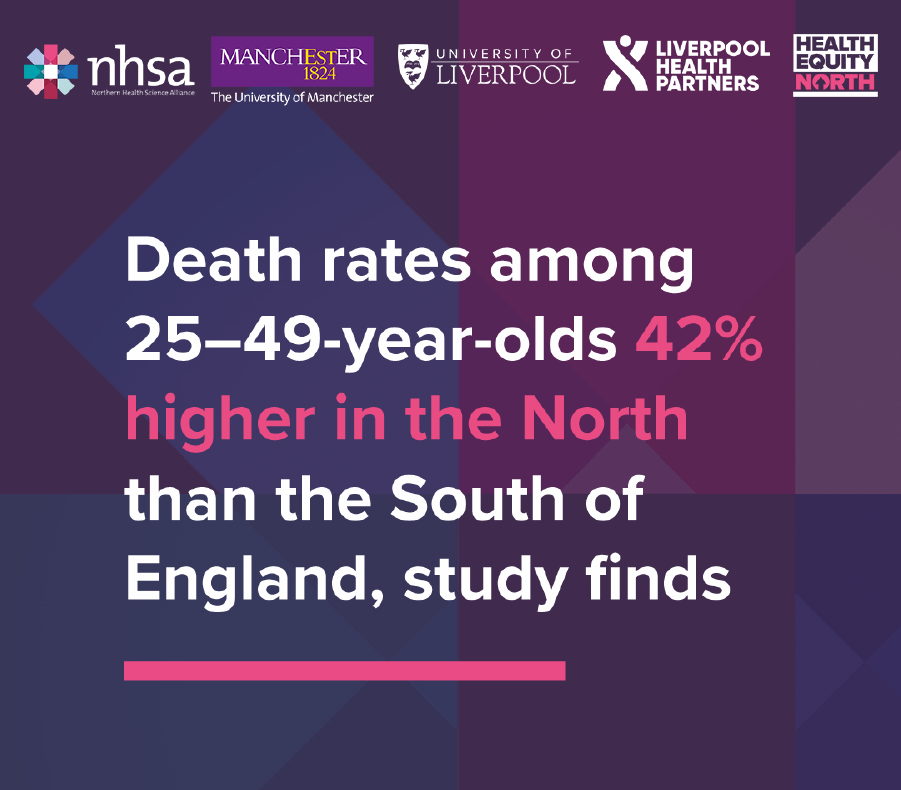
Death rates among adults aged 25–49 were 42% higher in…



