
HEN response to regional divide in Level 3 results and university attendance


New analysis from the Education Policy Institute on Level 3 Results Day 2026 shows that there remains a wide regional divide in A level and T level results and university attendance.
The analysis, published today (August 13), showed that students in London are far more likely to apply to university than those in the North East, at almost twice as likely. The North East is the only English region where 18-year-olds apply to university at a lower rate than in 2019, prior to the pandemic; this is despite record numbers of 18-year-olds in England applying to university.
Students in London and the South East were considerably more likely to achieve top grades in their A levels, with students in the North East and East Midlands receiving the fewest top grades on average. Independent schools received the highest proportion of A levels awarded top grades across different provider types.
The analysis shows wider changes in education trends, with growth in A level entries not keeping pace with the increase in the 18-year-old population, as more students seek alternative pathways.
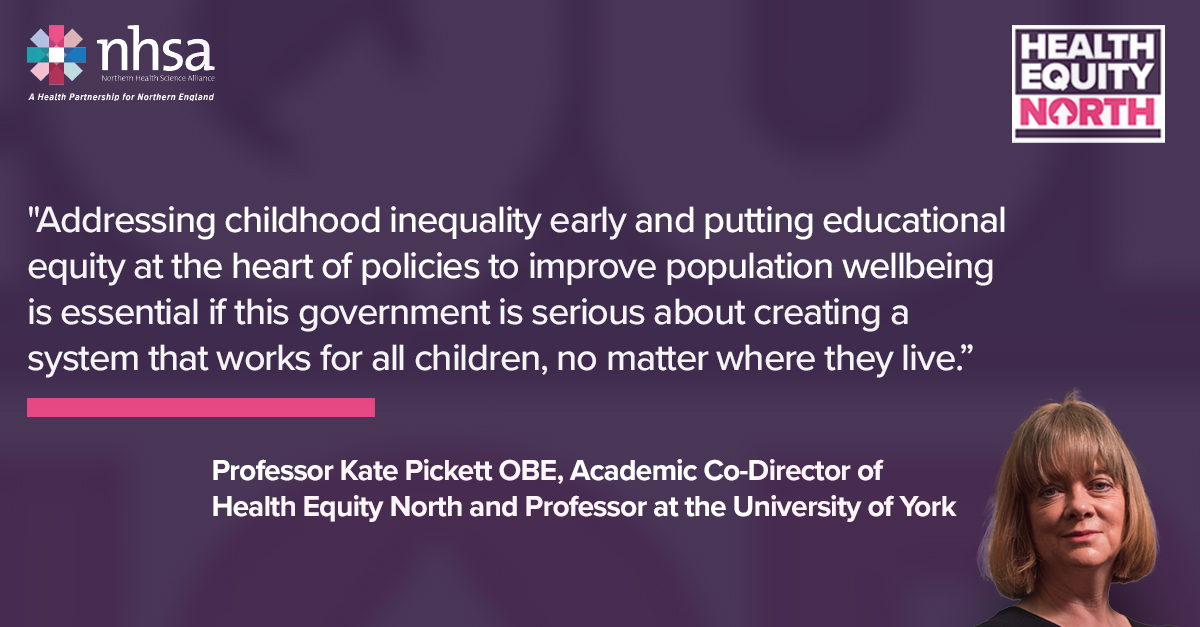
Professor Kate Pickett OBE, Academic Co-Director of Health Equity North and Professor at the University of York, said: “Where young people live shouldn’t make a difference to their likelihood of applying to university, but sadly today’s analysis from the Education Policy Institute shows that it does.
“The North East is the only region where 18-year-olds are applying at a lower rate than in 2019, and compared to students from London, they are half as likely to apply.
“This is yet another example of children and young people in the North being held back by circumstances that are largely beyond their control.
“This inequity corresponds with children in the North being more frequently absent from school, including for health and mental health reasons, having worse educational outcomes, and being more likely to become Not in Education, Employment or Training (NEET) at 16-18 years of age.
“University isn’t the right choice for everyone, but we don’t want young people’s opportunities and choices hampered by regional inequalities.
“Addressing childhood inequality early and putting educational equity at the heart of policies to improve population wellbeing is essential if this government is serious about creating a system that works for all children, no matter where they live.”
Related News Stories
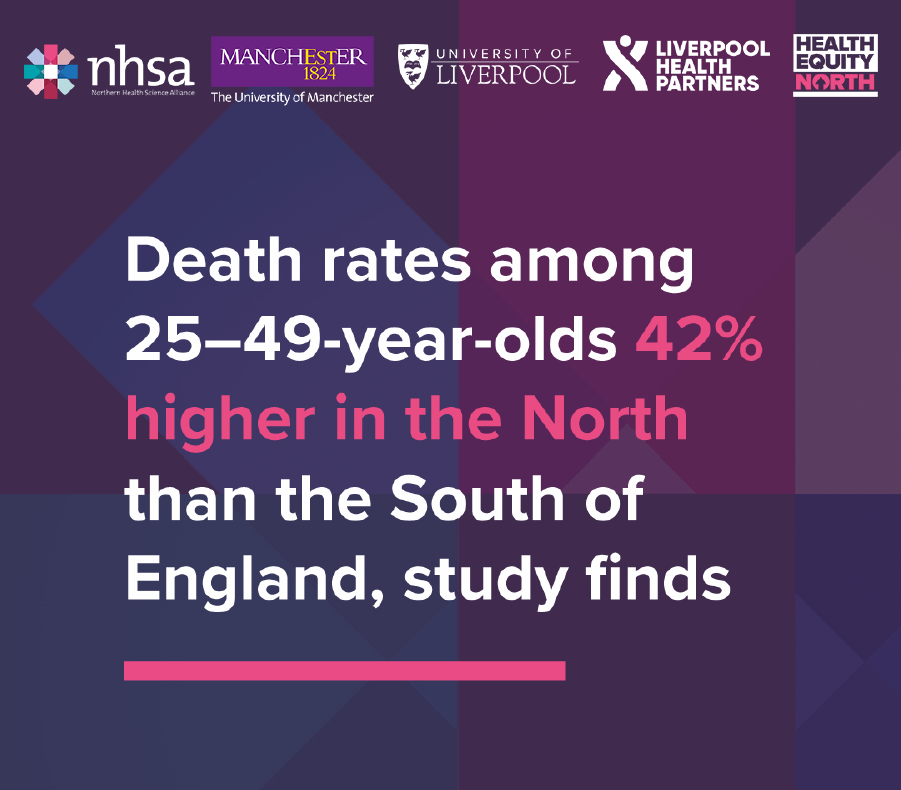
Death rates among adults aged 25–49 were 42% higher in…


In March this year, I travelled to Greenland as part…
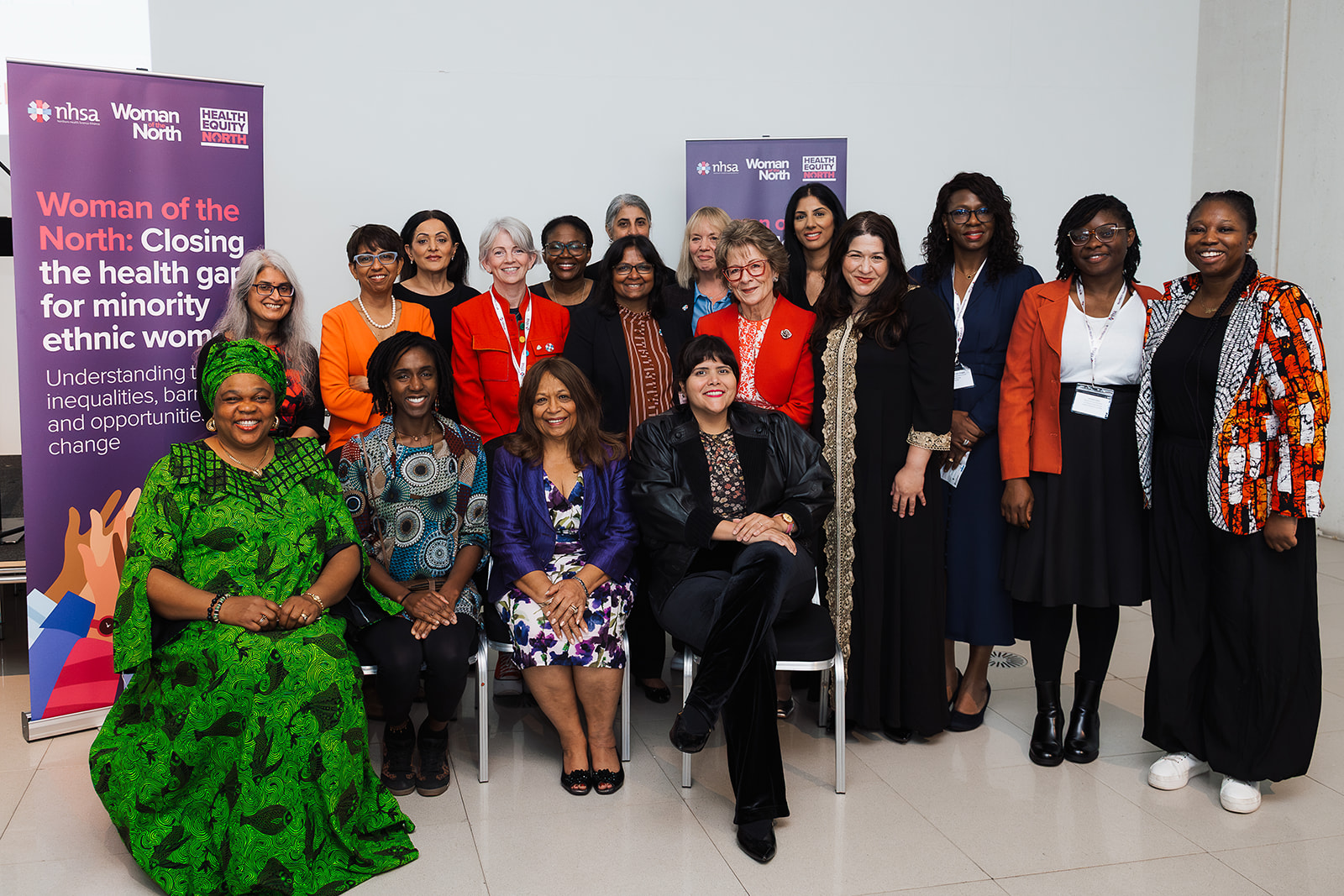
On Wednesday October 7, 2026, Health Equity North supported two…



